
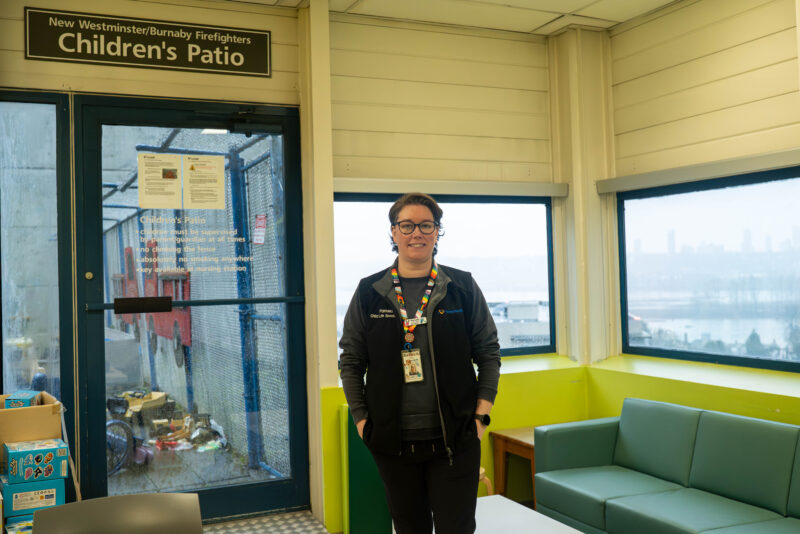
Foundation: Can you tell us about your role as a Child Life Specialist?
Pamela: Child Life Specialists are clinically trained professionals that meet the psychosocial and developmental needs of patients and families in medical settings. At RCH, I support our inpatient and outpatient units, as well as other departments by referral.
Foundation: What drew you to this field?
Pamela: I always knew I wanted to work in healthcare. During my undergrad, a Child Life Specialist came in to speak about their role, and I just remember being in awe. I pursued that path, completed my training, and became certified. That same person ended up mentoring me and was part of my interview panel here, so it really came full circle.
Foundation: What does your work look like day-to-day?
Pamela: It’s always changing. I gather information about patients and their needs, and provide support through preparation, play, and procedural support. That can include distraction techniques, breath-work, guided imagery, or helping families be involved. A big part of the role is advocating for each patient’s individual needs and supporting both the child and their family.
Foundation: Why is Child Life support so important in a hospital setting?
Pamela: A huge piece is advocacy. We help patients and families understand their options and give them a voice in their care. We also create opportunities for choice and agency in an environment where that can feel lost. It helps meet the emotional and developmental needs of patients while also supporting busy care teams.
Foundation: How do you help children cope when they’re scared or unsure?
Pamela: We start by validating that their feelings are normal and being curious about where those fears come from. Then we build trust and provide preparation and information so they know what to expect. When children understand what’s happening, it can make things feel less overwhelming and more manageable.
Foundation: Can you share an example of the impact this work can have?
Pamela: One of the most meaningful parts of my work is seeing a child come in saying, “I can’t do this,” and then, after preparation and support, say, “That wasn’t so bad.” They build confidence and coping skills they can carry into future experiences.
I’ve also supported families during incredibly difficult moments, including end-of-life care. In those situations, working as a team to provide comfort and memory-making can have a lasting impact. Families have shared that they felt supported and never alone, even in their grief.
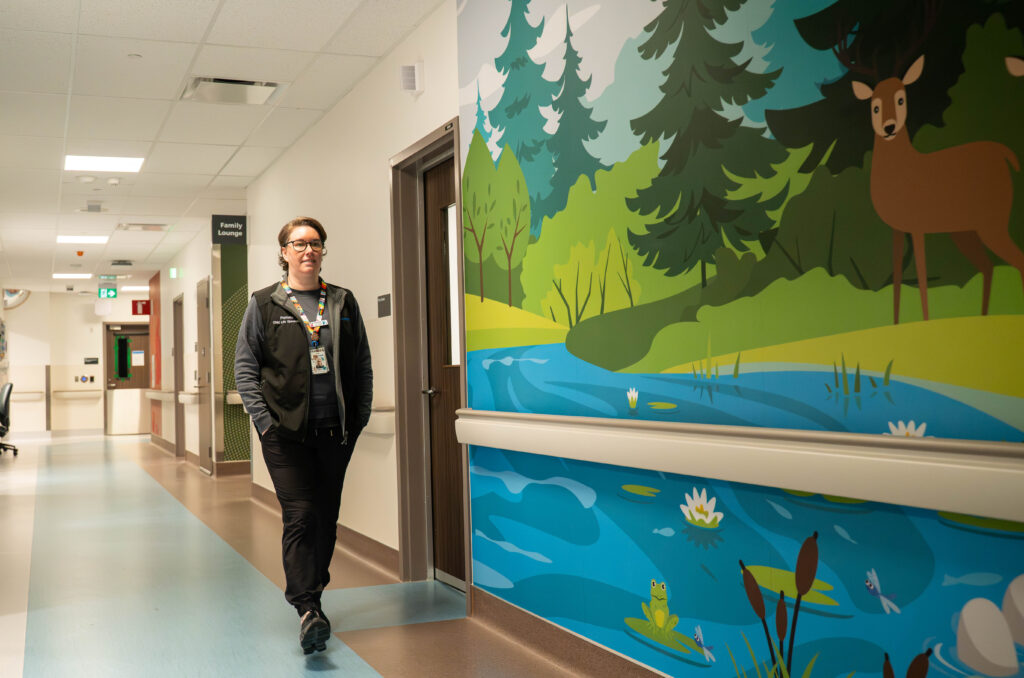
Moving through the hospital with purpose, Pamela helps create space for understanding, choice, and comfort so patients and families feel supported every step of the way.
Foundation: How do you work alongside the care team?
Pamela: It’s very collaborative. We work with doctors, nurses, and other staff to create coping plans, support procedures, and ensure care is developmentally appropriate. The goal is to make the experience as safe and as least traumatic as possible.
Foundation: What are the long-term benefits of Child Life support?
Pamela: It helps children build coping strategies and confidence in medical settings. That can lead to more positive healthcare experiences over time, and help them become adults who feel comfortable seeking care when they need it.
Foundation: What excites you most about bringing this role to Royal Columbian Hospital?
Pamela: Seeing growth in the Fraser region is huge. There’s recognition from leadership and care teams that this role is needed. We serve a large and diverse population, and it’s exciting to be able to meet those needs and help build something meaningful here.
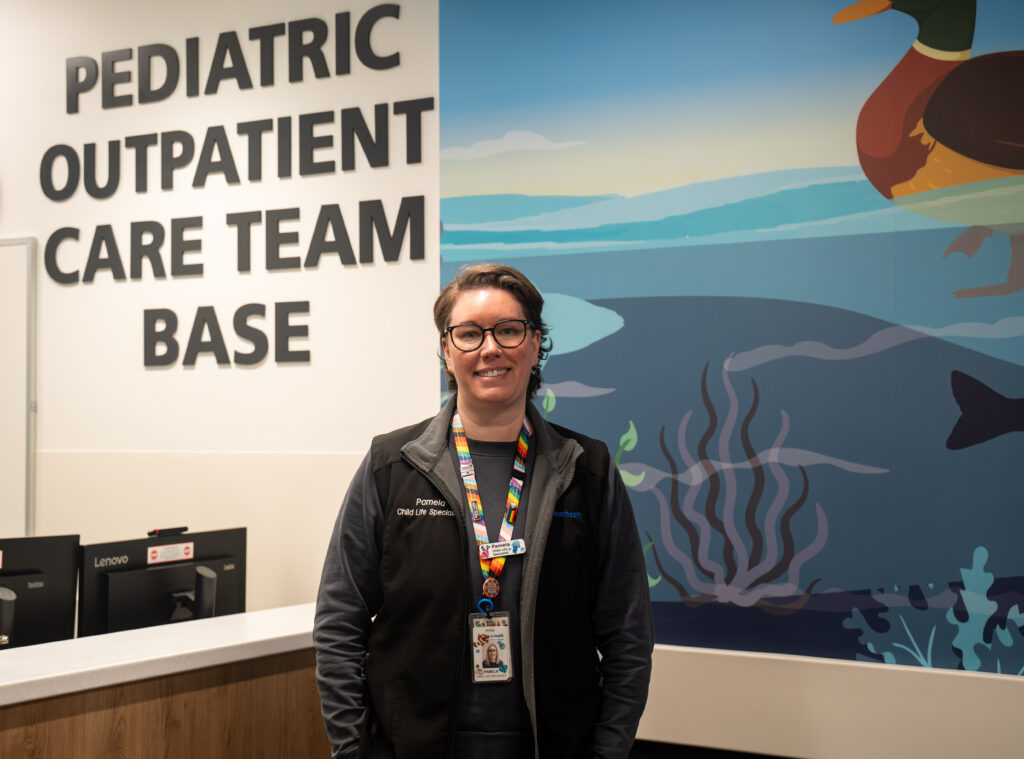
Looking ahead, Pamela is excited to help build a Child Life program that supports young patients in developing confidence, coping skills, and more positive healthcare experiences for years to come.